
In most developed countries, the number of people not having children by choice is rising and the stigma once attached to not bringing children into the world is being shifted by a generation who are exploring all the reasons why not.
They say it takes a village to raise a family. But it also takes reliable employment, affordable child-care, accessible education and robust medical systems. It takes not living from crisis to crisis – whether global or personal. The specific events of 2022-23 have put stressors on these support systems.
Top reasons why people across 30 different countries opted to not have a child: financial concerns (21%), career prospects (15%) and concerns due to the Covid pandemic (11%)
(Ipsos poll, 2022)

But while these perspective-shaping events causing people to question whether to have children, brands aren’t reflecting on these changes. We see the child-free by choice have their fair share of being targeted with snappy slogans, emotive advertising, and financial incentives – it’s just not coming from brands, and it’s a hard bid to change their minds.
That’s with government payments to encourage having children, like Italy’s so-called ‘Mamma Domani Bonus’ (also one-off incentives in Japan and China), or campaigns encouraging people to procreate; eg the “Screw for Denmark” or “Do it for mom” in Denmark and a spoof rap created by an ad agency in Singapore (where the government also announced a pandemic baby bonus), with included the memorable rhyme: “I’m a patriotic husband, you’re my patriotic wife. Let’s do our civic duty and manufacture life.”
So far, getting involved has begun with acknowledging the choice is increasingly being made – as we see with governments grappling with the impacts on birth-rates. But there isn’t yet the support of the child-free choice. We wanted to hear more about the cultural changes driving this, the trends emerging from it, and how consciously child-free adults feel when portrayed by brands and the media (TLDR: not good).
Supporting The Un-dependents
In our report about the consciously child-free, The Un-dependents, we look at the huge disconnect between how the child-free feel and how they are shown – or not shown at all – in wider culture and comms.
In our report, we talked to adults without children, and heard:
“It’s hard to say where I feel included by brands… travel commercials of young people with friends, or 30 plus travelling with kids. What about me?” Netherlands, 38
Talking to men and women in US, Europe and the UK who have chosen to be child-free, they told us that despite the stigma lifting around their choice – and the fulfilment they describe from redefining social roles, building communities and helping others – media and brands aren’t reflecting their reality, or, even worse, only understand this audience in light of not having kids.

Join the Child-free Party
We need to celebrate consciously child-free living – and explore the opportunities to catch-up with them. Here is how brands and the media can explore this new way of living, and insights on how to show positive narratives about not having kids…
1. Champion Un-dependent narratives
Far too often, the Un-dependents are understood solely in their relationships with children: in light of not having them. Forget the kids, make them the main story instead. A couple who are committed to and enjoy each other’s company; a middle-aged, same sex couple who don’t have a puppy (read: child surrogate). The Un-dependents have stories to tell far away from the perils of parenthood.
2. Create products just for them
There are a multitude of categories – from financial and life planning, to leisure and travel – that are missing a trick with the Un-dependents. Think deals for solo travellers; cars designed for families of two; provision for dependents other than children. There’s also a huge opportunity to develop activities and products for people who buy for kids, who aren’t their own kids.
3. Respect child-free as a destination
It’s not up for debate. Choosing to not have children isn’t just a stop on the journey and the narrative arc will end with parenthood. Being 3. consciously child-free is for life.
4. Reflect the reality of the Un-dependents
Avoid adopting a negative or, worse, pitying tone when talking about adults who have consciously chosen to not have children. This is a fulfilled group, happy with their decision.
5. Validate their choice
Avoid the ‘parenthood vs child-free’ rhetoric. Instead, be unapologetic at celebrating the unique opportunities of living as an adult without children. Namely: the freedom to take on roles not so heavily curated by society; the means to choose who can be dependent on you (pg 28), and the chance to build and nurture new types of community (pg 32).
6. Embrace all types of family
Dog parents are a family unit, as are households that don’t have children, or same sex couples that do. No one choice is superior and they all bring their own dynamics and traditions to the table.
7. And cheer on this challenge to the status quo
After all, there are so many ways to live a full and happy life.

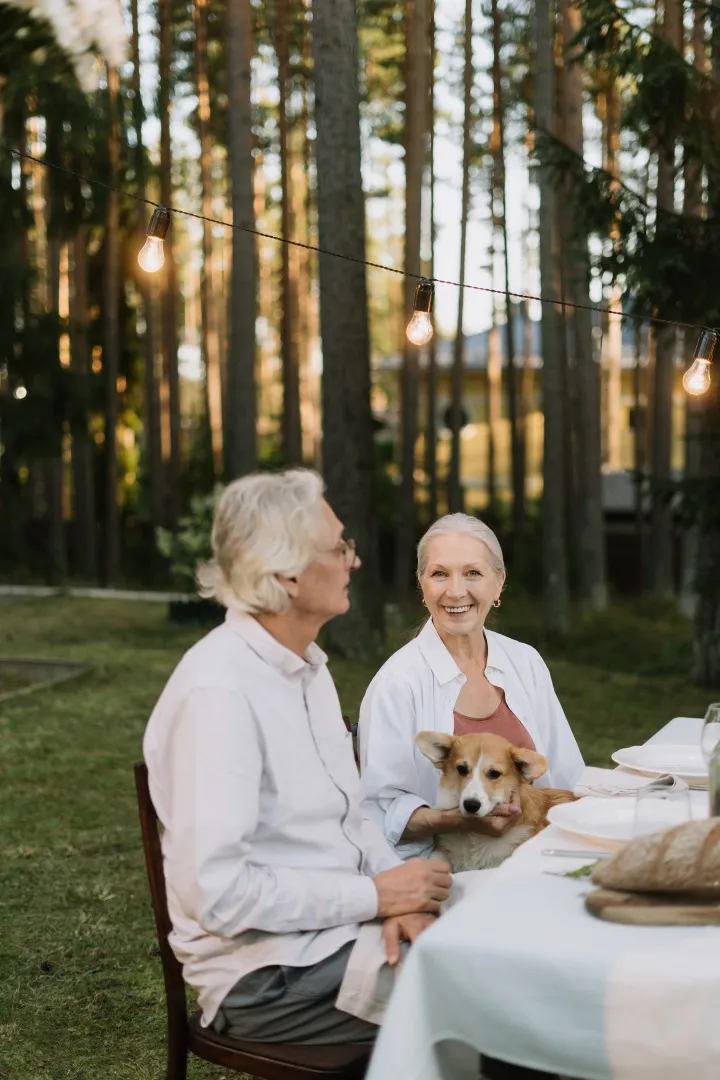

Cheer on this challenge to the status quo – after all, there are so many ways to live a full and happy life.