
In our latest research on the impact of cultural relevance, we wanted to provide a commercial framework to show culture as essential for brand health. So we ran a drivers analysis to isolate which cultural behaviors actually change how people think, buy and recommend. This identified the cultural pillars most likely to drive advocacy (likelihood to recommend) to a brand.
Read the first drop, Introducing the Cultural Advantage here.
WHAT CULTURAL PILLARS MATTER:
Contribution to NPS (Net Promoter Score):
KNOW WHAT YOU ARE (Authenticity)
25%
BELONG TO PEOPLE (Representation)
19%
OWN WHAT YOU KNOW (Leadership)
18%
Above all, ‘knowing what you are (authenticity) is a primary driver of brand advocacy. And nearly 3 in 4 (74%) say brands that know who they are, and stick to it, are more appealing. Futher, two-thirds (66%) of consumers say a brand knowing who they are and sticking to it is even more important when there is pressure to change.
That is the cultural advantage. Not trying to be everything to everyone or chase every trend. But letting authenticity and genuineness speak for itself.
However, many brands still rule themselves out of culture. It can be tempting to think the Nike’s of the world are the rightful owners of culture. But culture exists in every market, every category, every customer’s life.
At Crowd DNA we help brands to define it properly for their customers and be disciplined enough to build it with the value of authenticity.
CULTURAL STRATEGY WINS WHEN IT IS DISCIPLINED
So how does it work? Brands that maintain authentic cultural positions can’t drift and attempt to be everything to everyone. They have to make hard choices about who they are, what they stand for, and what they won’t do.
In a world of infinite choice and declining trust, this discipline is worth a 30% price premium, and 1.4x loyalty. Discerning cultural brands aren’t just noticed; 74% trust them more, 73% believe they stay relevant over time, and 70% say they bring out products they actually want to try. And they’re not going anywhere. Over half (55%) believe cultural relevance in brands will be critical for commercial success in the next 5 years.
Let’s see this in action…
Case Study:
OROTON, AUSTRALIA
In 2017, an iconic Australian brand [1] with a near 80-year history collapsed into voluntary administration, suffering 14.3 million AUD in losses.
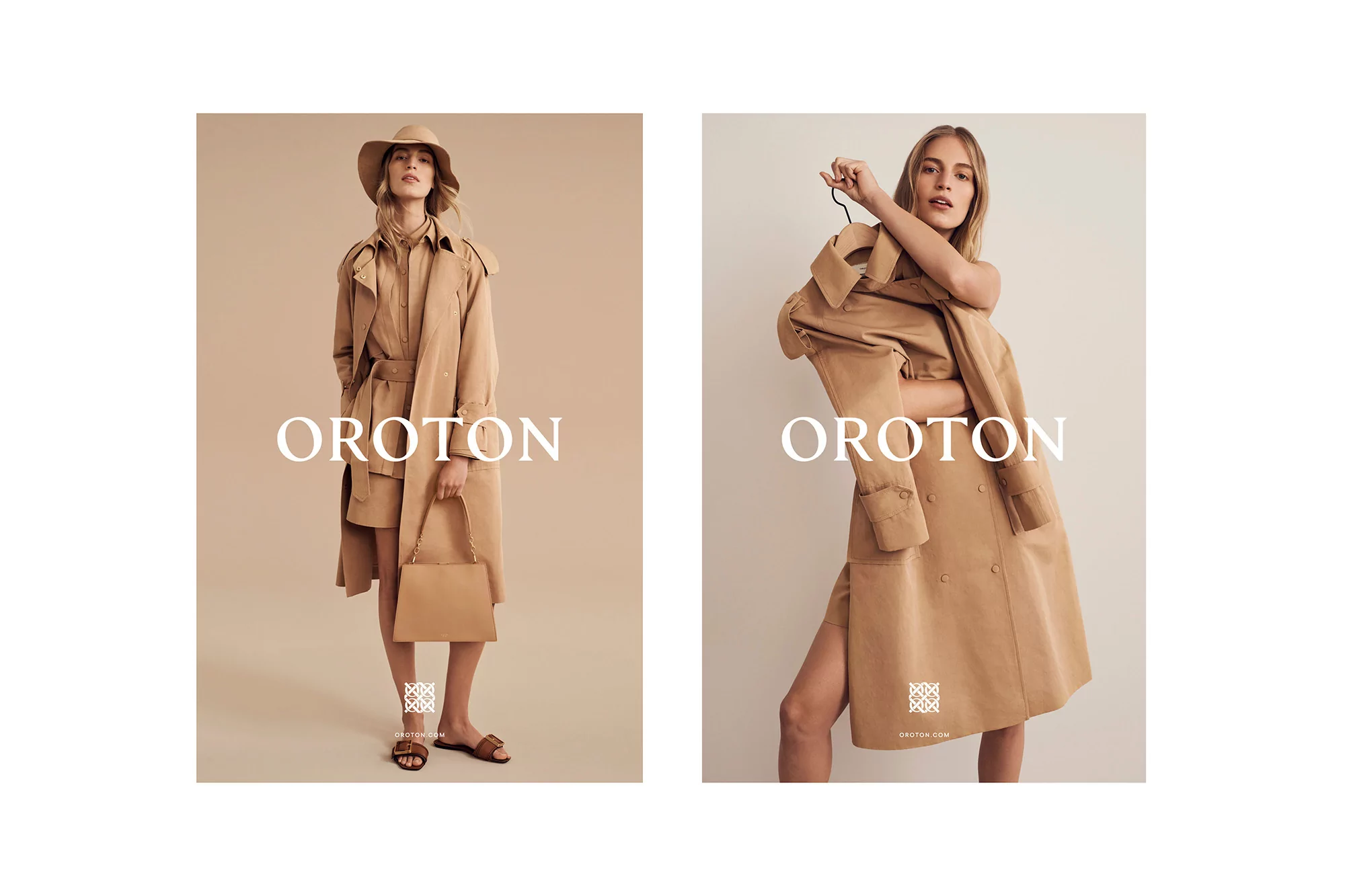
Under the new creative directorship of Sophie Holt and brand agency Years Months Days, Oroton went back to its past to build its future. Rather than becoming ‘culturally relevant,’ the brand became itself again.
Every decision flowed from this. Oroton’s reimagined brand identity found “balance between heritage and relevance, strength and fluidity” which was achieved through consistency and cohesiveness. Colours, photography and textiles nodded to past aesthetics. The brand synonymous with Australia’s history now embodied modernity. Fashion magazine, Grazia, aptly described Oroton’s Resort ‘22 collection a “chic romancing of vintage Australian holidayisms.”
Sophie Holt told the Australian Financial Review (AFR), that she has learned the “importance of making a cohesive handwriting throughout a brand… to have this consistency across all customer touchpoints and a real understanding of the vision and the message.” In short, being able to say no and deliver on cohesiveness.
In July 2025, the brand opened its twelfth retail store since May 2024 and defied lacklustre retail forecasts with an ambition to grow sales by 9.4 per cent to $135.7 million in the year to July 26. The AFR calls Oroton a “$123m turnaround success.”
In a world of infinite choice, discipline becomes differentiation.
[1] Sources: AAFW: The is Oroton, But Not as You Know It, Australian Financial Review, Oroton lays out plans to double sales as everyday range boosts profits, InDaily News & Opinion, Oroton collapses into administration, Oroton – The Oroton Story. The Brand Identity – Years Months Days develops a modern take on heritage for Australian luxury brand Oroton, Australian Financial Review: The Secret to Oroton’s $123m turnaround success.